


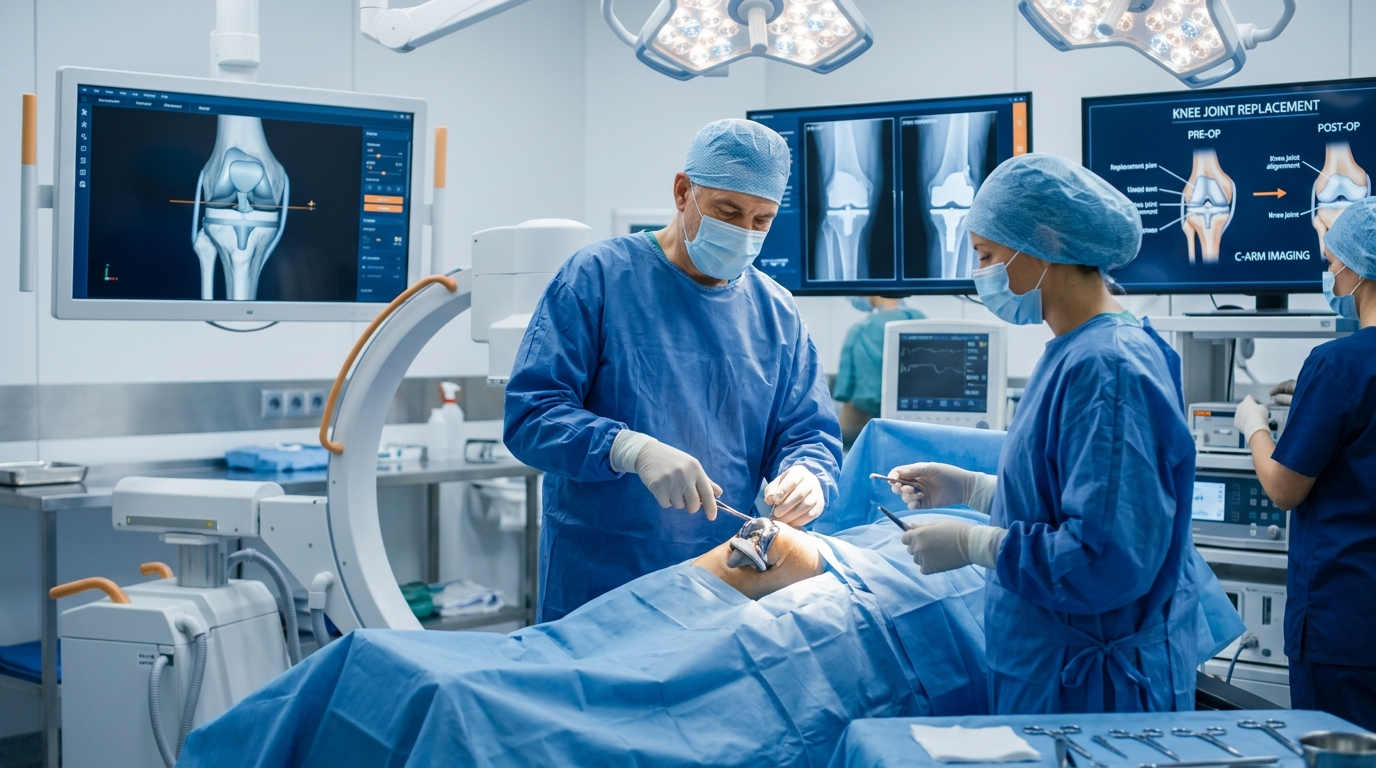
Knee Replacement Surgery in Kadapa – Trusted Diagnosis and Treatment Care
If chronic knee pain, stiffness, or difficulty walking have started limiting your daily activities, it may be time to consider knee replacement surgery in Kadapa. Knee joint damage caused by arthritis, injury, or years of wear and tear can severely affect mobility and quality of life. At Arunachala Hospital, our orthopedic team understands how frustrating persistent joint pain can be, and we are committed to offering accurate diagnosis, advanced surgical care, and a smooth, well-supported recovery for every patient who comes to us for help.
Across Kadapa and the surrounding districts of Andhra Pradesh, knee problems are becoming increasingly common, driven by factors like ageing, obesity, sedentary lifestyles, and previous joint injuries. Many patients try to manage the pain with medication and rest for years before realising that surgical treatment offers the best long-term relief. Delaying treatment can sometimes lead to further joint damage and reduced mobility over time.
In this blog, we will explain what knee replacement surgery involves, why timely surgical treatment matters, how the procedure is performed, and what patients can expect before, during, and after surgery. We will also cover recovery tips and answer common questions about knee replacement care.
A skilled orthopedic team offering knee replacement surgery in Kadapa can help you regain mobility and return to a pain-free, active life.
What Is Knee Replacement Surgery?
Knee replacement surgery, also known as knee arthroplasty, is a procedure in which damaged or worn cartilage and bone in the knee joint are removed and replaced with artificial implants made of metal and plastic. The goal is to relieve pain, restore function, and improve overall mobility for patients with severe joint damage.
Common causes and risk factors include:
- Osteoarthritis and rheumatoid arthritis
- Previous knee injuries or fractures
- Excess body weight placing strain on the joint
- Age-related wear and tear of cartilage
- Genetic predisposition to joint disorders
Recognising the Warning Signs That You May Need Surgery
Understanding early symptoms helps patients seek timely care from a knee replacement surgeon Kadapa residents can rely on. Watch for:
- Persistent knee pain that worsens with activity
- Stiffness and reduced range of motion
- Swelling and tenderness around the joint
- Difficulty climbing stairs or standing from a seated position
- Pain that disturbs sleep or daily routine
If these symptoms sound familiar, scheduling a surgical consultation early on can prevent further joint damage and help you regain an active lifestyle sooner.
Why Choose Knee Replacement Surgery in Kadapa
Choosing timely, expert knee replacement surgery in Kadapa isn't just about pain relief — it directly affects your recovery, mobility, and long-term joint health. Here's why more patients across Kadapa are choosing surgical treatment over prolonged conservative management:
1. Lasting Pain Relief
Replacing the damaged joint eliminates the source of chronic pain, giving patients long-term relief that medication alone cannot provide.
2. Restored Mobility
Most patients regain significant range of motion, allowing them to walk, climb stairs, and perform daily activities with far less discomfort.
3. Advanced Surgical Techniques
Modern surgical techniques use precise implant positioning and minimally invasive approaches to improve outcomes and reduce recovery time.
4. Lower Risk of Complications
Prompt surgical treatment reduces the risk of further cartilage loss, joint deformity, and complications linked to prolonged immobility.
5. Improved Quality of Life
Without the burden of chronic knee pain, patients can return to hobbies, exercise, and daily routines with renewed confidence.
What to Look for When Choosing Knee Replacement Surgery in Kadapa
When evaluating where to undergo the procedure, keep these factors in mind:
- Qualifications and specialisation — Look for orthopedic surgeons trained specifically in joint replacement procedures.
- Hospital infrastructure — Advanced operating theatres and imaging technology matter for precision and safety.
- Track record — Ask about case volume and outcomes for knee replacement procedures similar to yours.
- Post-operative support — A good surgical team monitors recovery closely and offers structured physiotherapy guidance.
- Transparent communication — Your surgeon should explain the procedure, risks, and recovery plan clearly before you consent.
How Knee Replacement Surgery in Kadapa Is Performed
At Arunachala Hospital, our orthopedic department follows a structured approach to knee replacement surgery in Kadapa, tailored to each patient's diagnosis and health:
- Diagnostic evaluation — X-rays and clinical assessment confirm the extent of joint damage.
- Total or partial knee replacement — The appropriate technique is chosen based on the severity and location of damage.
- Anaesthesia and monitoring — Patients are closely monitored throughout the procedure for safety.
- Short-stay hospital care — Most patients are discharged within a few days after surgery.
- Post-operative guidance — Clear instructions on physiotherapy, activity, and wound care support smooth healing.
Advanced Technology and Patient-First Care
Successful surgical outcomes depend on both skill and the technology behind the operating table. Arunachala Hospital invests in modern imaging systems, precision surgical instruments, and quality implants for accurate, long-lasting results during every procedure.
Preparing for Your Surgery
Good preparation can make a real difference to how smoothly your surgery and recovery go. Before your procedure, your surgical team will typically guide you through the following:
- Pre-operative tests — Blood work and imaging to confirm you're ready for surgery.
- Medication review — Your surgeon will advise which medications to pause.
- Fasting instructions — Most procedures require fasting the night before.
- Arranging support at home — Having someone assist you during the initial recovery period helps.
- Understanding the procedure — Ask questions so you feel fully informed.
Why Arunachala Hospital Is a Trusted Choice for Knee Surgery in Kadapa
Arunachala Hospital, recognised as a leading multispeciality hospital in Kadapa, brings together experienced orthopedic surgeons, modern surgical technology, and a 24/7 emergency care setup — all under one roof. Choosing the right team for knee replacement surgery in Kadapa shouldn't feel like guesswork. At Arunachala Hospital, our surgical team walks you through every step, from your first consultation to full recovery.
A good surgical team for knee replacement surgery in Kadapa will also guide you through rehabilitation, not just the procedure itself.
Recovery Tips After Knee Replacement Surgery
Recovery is where a skilled surgical team truly proves its value, guiding you through each stage:
- Follow your surgeon's post-op instructions, including weight-bearing restrictions.
- Attend all scheduled physiotherapy sessions to rebuild strength and flexibility.
- Keep incision sites clean and dry to prevent infection.
- Use walking aids as advised until your surgeon clears you.
- Attend all scheduled follow-up appointments for progress monitoring.
For more general guidance on joint health, resources like the Mayo Clinic and Cleveland Clinic offer helpful, medically reviewed information.
You can also explore related services on our site, including our Orthopedics department and Physiotherapy page for related joint care.
Conclusion
Choosing timely knee replacement surgery in Kadapa can make all the real difference in relieving pain and restoring an active lifestyle. From advanced surgical techniques to structured rehabilitation and long-lasting implants, modern knee replacement surgery offers real benefits for patients. At Arunachala Hospital, our experienced orthopedic team is committed to providing safe, advanced, and compassionate care for the Kadapa community.
If you or a loved one needs expert surgical care, don't wait — book an appointment with Arunachala Hospital today and take the first step toward pain-free mobility.